
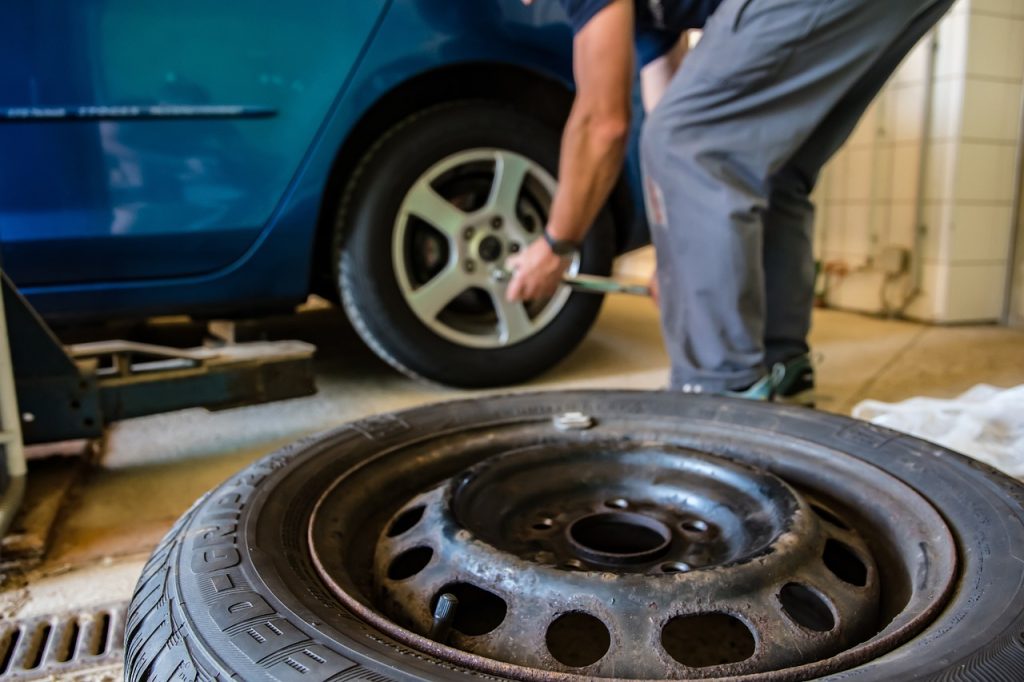
Your tires are more than just big tubes of rubber and should be treated that way! They are the essential link carrying your car along the pavement. A properly selected set of tires will make all the difference while you’re driving, especially when you can have confidence instead of anxiety!
From the scorching heat of summer to the icy roads of winter, tires for each season play a big role in ensuring the safety and the performance of your vehicle. If the wrong tire replacements were to be done, it would mean longer stopping distances, poor handling performance, and hazardous situations that can make for some unfavorable conditions.
You basically have three choices when it comes to tire selection.
- Summer tires are specially designed for warm, dry conditions.
- Winter tires are developed for overcoming snow and ice.
- All-season tires are trying to give balanced performance across multiple weather conditions.
Each type has different characteristics that excel in certain scenarios. Knowing these differences will help you make the right decision regarding your road safety in different types of weather. The differences go way beyond cosmetic touches to influence how your vehicle handles under different conditions.
Summer Tires: Built for Warm-Weather Performance
Summer tires have a more straightforward design, with a continuous center rib providing straight-line stability. Their outer surface area is large, providing better grip during high-speed cornering. They have less tread depth than in their winter counterparts for increased steering feel and responsiveness. The tread pattern is rather simple in most summer tire designs, optimized for dry grip. Furthermore, they come with stiffer sidewalls, which may somewhat decrease the ride comfort but increase the response of the steering and its feedback.
Winter Tires: Engineered for Cold Conditions
Winter tires feature tread patterns significantly more complex in design, with deep grooves helping to evacuate water and slush while holding impacted snow to make snow-on-snow traction that actually improves grip. The most distinctive feature, though, is the zigzag sipes covering the whole tread pattern. These provide biting edges that hook up well on wet, snowy, and icy surfaces. The zigzag design aids in maintaining rigidity of the tread block while providing traction in multiple directions.
All Season Tires The Balanced Compromise
All-season tires borrow their designs from both summer and winter tires. You’ll find sipes in the center for improved light snow traction, but there are fewer tread elements on the outside to help deliver good cornering grip on dry and wet pavement. The tires include grooves that grow as the tread wears to maintain water evacuation throughout the life of the tire-a smart design feature for year-round reliability.
Performance Comparison Across Conditions
What matters more is understanding how each of these tire types performs in different weather situations, from a driver’s choice perspective in terms of the safety and handling capability of his or her vehicle.
Dry and Wet Conditions
When the temperatures stay above 40°F, summer tires top all the performance charts. From 60 mph to a dead stop, your stopping distance on dry pavement is about 110 to 125 feet. What may surprise you, though, is that summer tires retain their edge in heavy rain, where their stopping distances of 135 to 175 feet were significantly shorter than those of the all-season or winter alternatives.
It’s all about the way the tires are formed. Summer tires are made with stickier rubber to maximize grip at warmer temperatures-from bone dry to soaking wet. That superior grip translates directly into better cornering grip, too, giving you more confidence when navigating turns at higher speeds.
Cold Weather Performance
The tables are turned dramatically, though, when the temperatures go down and snow is covering the highways. Winter tires can stop in less than half the distance required by summer tires on an icy surface! That difference is strikingly clear from 30 mph in terms of the traction you need when conditions go bad.
All-season tires fall right in the middle, providing decent, all-around performance without excelling in any condition particularly. They handle light snow reasonably well while maintaining acceptable dry and wet weather capabilities, although they can’t match the performance provided by a more specialized seasonal tire.
Choosing the Right Tire Based on Driving Environment and Needs
First and foremost, your local climate should decide on tire replacement. If you live in an area where winter conditions are infrequent-perhaps just a light dusting of snow once or twice a year-all season tires may be the way to go. They will handle those occasional cold snaps without you needing to store an extra set of tires in your garage.
For those of you in areas with rough winters, getting a set of dedicated winter tires is not only about performance but also about safety. The numbers tell it all: winter tires are able to stop in less than half the distance of summer tires on snow and ice. That difference could mean avoiding an accident altogether.
Your driving habits come into consideration, too. Are you the type who loves spirited driving and maximum handling? Summer tires will deliver all the grip and responsiveness you need during those warmer months. The downside to switching between seasonal tires is that it does require a little extra work to change out between seasonal tires; however, each set lasts longer when you’re only using them part of the year. You also get to have the right rubber for whatever condition you find yourself in, whether it be a rain-soaked highway or an icy morning commute.
Maintenance Tips for Long-Lasting and Safe Tires
You have purchased the right tyres for your driving conditions, now it’s time to protect that investment. The maintenance of your tires isn’t just about getting the most miles out of your purchase; it’s about keeping you and your passengers safe on the road.
Regular Checks
The penny test, done periodically, can be a good barometer for tread depth: Stick a penny into the tread with Lincoln’s head upside down. If you can see the top of his head, it’s time for new tires. And don’t forget to check tire pressure at least once a month. Under-inflated tires wear unevenly and reduce fuel efficiency while over-inflated tires compromise your vehicle’s handling and braking ability.
Scheduled Maintenance
Rotate tires every 5,000 to 7,000 miles so that wear can be evenly distributed across all four tires. This simple process can add thousands of miles to your tire life. Alignment checks are another very important thing; hitting potholes and curbs can knock your wheels out of alignment, causing fast and uneven tire wear.
Professional Help
Professional tire repair services can diagnose the problem and fix it before it becomes a safety hazard when you notice unusual wear patterns, vibration, or handling issues. Your tires work hard to keep you safe in every season, so giving them proper attention pays dividends in both performance and longevity.
Why Choose Scotty’s Automotive for Your Tire Needs?
Choosing tires is not just knowing the difference between summer, winter, and all-season tires; it’s a professional matter. When it’s time to look for an auto repair shop near me, or you need some reliable car repair services, you can count on us at Scotty’s Automotive to guide you through each important decision.
Expert Guidance from Our Certified Mechanics
Our ASE-Certified mechanics have specialized knowledge in tire selection, taking into consideration your particular driving habits, local weather conditions, and vehicle needs. We never recommend tires based on generalized specifications. Instead, we take the time to understand whether you’re commuting daily through Sussex County winters or planning summer road trips that require optimal performance.
Ensuring quality in all tire installations and repairs.
Quality assurance is the hallmark of every installation and repair that we undertake at our workshop, from precision mounting and balancing to detailed checks of your wheel alignment so each tire delivers the safety and performance you deserve. Our team uses top-of-the-line equipment and follows all manufacturer specs to ensure a proper installation.
Convenient service options for your busy schedule
You’ll get hassle-free service from start to finish. During the time we work on your car, you can sit in our comfortable waiting area or take our shuttle service for local trips within the five-mile radius. If you want to drop your vehicle off after we close, our 24-hour key drop box offers flexibility that those busy schedules sometimes need.
Choose Scotty’s Automotive
A good set of tires can mean everything to a car’s safety and performance. Whether it’s summer heat, winter ice, or somewhere in between, it is vital to know your driving environment and make the right tire replacement decisions.
Differences between summer, winter, and all-season tires go far beyond tread patterns into affecting your abilities to brake, turn, and drive in general under varied conditions. When it’s time for a change or you need help in finding what type of tire fits your lifestyle, our staff is here for you.
We consider your driving conditions, discuss your needs, and recommend the perfect tire solution for your vehicle. Ready to upgrade your tires? Stop by to see our pro technicians at Scotty’s Automotive or give us a call at (845) 720-3584. Your safety on the road begins with the right tires, and we are committed to making sure you can drive safely through every season.
Share:
- Share on Facebook (Opens in new window) Facebook
- Share on X (Opens in new window) X
- Share on LinkedIn (Opens in new window) LinkedIn
- Share on Pinterest (Opens in new window) Pinterest
- Share on Threads (Opens in new window) Threads
- Share on Nextdoor (Opens in new window) Nextdoor
- Share on Reddit (Opens in new window) Reddit
- Share on Bluesky (Opens in new window) Bluesky
- Share on WhatsApp (Opens in new window) WhatsApp
- Share on Telegram (Opens in new window) Telegram
- Email a link to a friend (Opens in new window) Email