
Brakes generally do not fail all at once; they provide some warning signals beforehand, such things as a squealing sound early in the morning, a spongy brake pedal when you slow down at traffic lights, shimmies in the steering wheel while driving down the highway, and an extra distance the car will travel after applying the brakes.
The problem with brake malfunctions is that many of them seem normal and harmless until it is too late. At Scotty’s Automotive, our technicians perform daily inspections of brakes on various types of vehicles ranging from cars and SUVs to trucks, and we have observed that there are some common features of a thorough brake inspection.
What A Proper Brake Inspection Includes
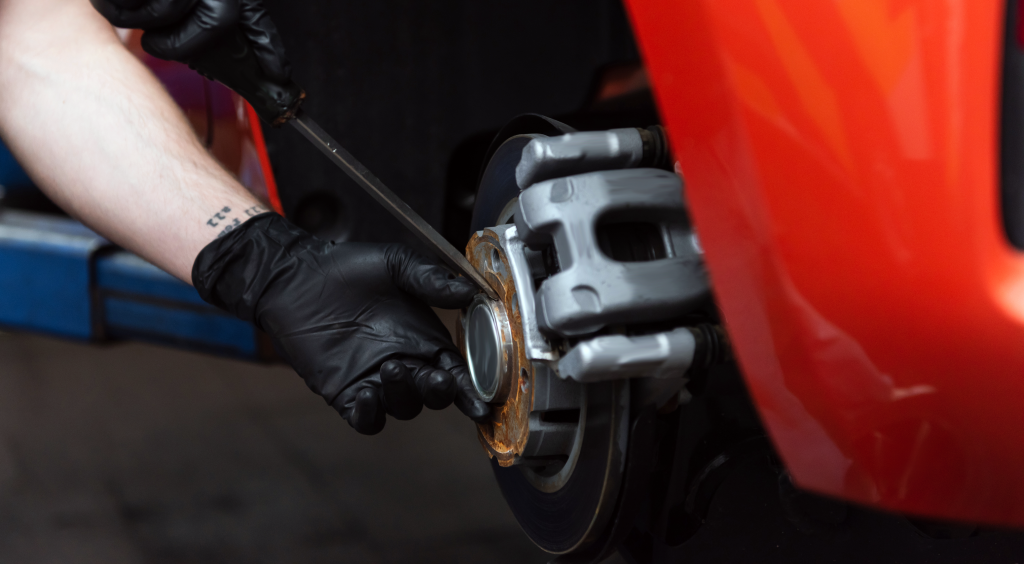
Glancing through the wheel spokes is not a brake inspection, and this inspection involves a lot more than a visual look at the disc pads themselves. Brakes work as a chain, and any malfunction within one link could cause the whole chain to collapse.
Depending on your specific vehicle and the construction of its wheels, our mechanics will have to remove them for accurate measuring and diagnostics. It is particularly true for trucks and other large-sized SUVs, as the additional load and heat affect the wearing process.
Brake Pads And Shoes: Wear, Quality, And Fit
For most vehicles, brake pads are the first wear item people think about, and yes, we check them carefully. We measure pad thickness, but we also look at how they are wearing. Uneven wear can point to sticking calipers, seized slide pins, or hardware issues that can ruin a new set of pads quickly.
We are also concerned about the material and quality of the pads. Some pads are quiet but dusty, and some are durable but loud. If you use your vehicle for commuter travel, towing, mountainous driving, and delivery routes, we will take this into account while recommending parts.
If your vehicle has drum brakes on the rear wheels, we will test the brake shoes, adjusters, and the state of the surface of the drum itself. The drum can wear in such a way that you will be unable to notice until braking becomes inconsistent.
Rotors And Drums: Thickness, Runout, And Heat Damage
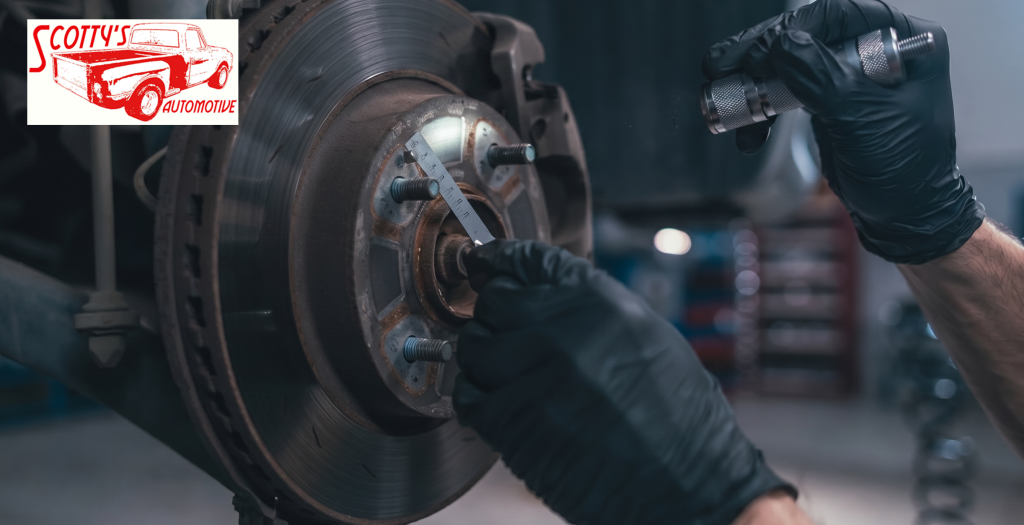
Rotors are not simple metal pieces. We measure their thickness according to manufacturer recommendations and also examine their surfaces for overheating, scoring, warping, cracking, and rust accumulation. Warping is especially likely for thin or overheated rotors.
Rotor runout refers to the perfect balance of rotation – a tiny deviation in runout is enough to cause vibrations at high speeds due to braking. This is why runout measurement is also included.
Drum braking systems require similar treatment: we will check their surfaces for overheating, scoring, and glazing.
Calipers, Slide Pins, And Brake Hardware
The role of calipers is to press the pads against the rotor, and they should move without any friction. This means that we will check the calipers for leaks and binding as well as ensure that their slide pins are properly lubricated and moving freely. A sticky slide pin is one of the most common causes of uneven pad wear, pulling while braking, and premature brake failure.
We also inspect the “small parts” that make a big difference: abutment clips, pad shims, anti-rattle hardware, and mounting points. Worn hardware will also cause noise or squeaking as well as clunking or dragging of pads even when the pads themselves have lots of life left.
Brake Fluid Condition And Hydraulic Leaks
It should be noted that brake fluid is hydraulic, meaning it transfers the force created when applying pressure to the pedal. Over time, the brake fluid absorbs moisture from the surrounding air, affecting its boiling temperature, which leads to soft brakes during aggressive maneuvers or driving down a long slope.
When checking brakes, we examine their fluid for leakage, especially at certain points, such as calipers, hoses, and master cylinder areas. Signs of wetness, dripping, or corrosion may indicate potential leaks that can cause you to lose braking power all at once.
Brake Hoses And Lines: Cracks, Swelling, And Corrosion
Brake system hoses are made of rubber, which means that they are subject to wear out after several years of operation. Rubber becomes cracked, develops dry-rot, and swells internally with time. In addition, swelling leads to the formation of an internal valve preventing full release of the brakes.
Metal brake lines are also subjected to corrosion, depending on such factors as salinity of the atmosphere and humidity. Inspecting the metal brake lines, we will detect any signs of rust scaling, weakening, or wetting indicative of gradual fluid leakage.
Pedal Feel, Brake Boost, And Road-Test Clues
Apart from visual inspection, a proper brake check also includes testing of pedal feel. It may indicate any issues like the presence of air in the brake system, fluid level or condition, and internal leakage. A hard pedal can suggest brake booster or vacuum-related issues.
When appropriate, we road-test to confirm symptoms like:
- Steering wheel shake or pedal pulsation while braking
- Grinding, squealing, or scraping noises that change with speed or pressure
These indicators allow us to link our findings inside the shop to your feelings out on the road, resulting in an accurate diagnosis.
Why This Matters: Safety, Savings, And Peace Of Mind
In addition, it should be understood that brake components help not only to slow down the car but also to control it in case of emergency situations. Uneven wear, excessive heat production, or fluid leaks will inevitably lead to increased stopping distances, loss of traction, especially with a heavy car, such as a truck or SUV.
Inspection is also an opportunity to save. Proper pad replacement prevents rotor degradation and saves you from having to change a new set of pads after only a couple of weeks due to a stuck caliper. Taking care of brake fluid problems before heat fade occurs protects the entire hydraulic system.
Schedule Your Brake Inspection Today
Have you heard any unusual sounds from your brakes? Do they feel different than usual, or have you experienced vibrations? If so, or if you haven’t had your brakes inspected recently, give our pros at Scotty’s Automotive, a call at (845) 720-3584. We’ll diagnose your brakes and guide you through the next steps safely.