
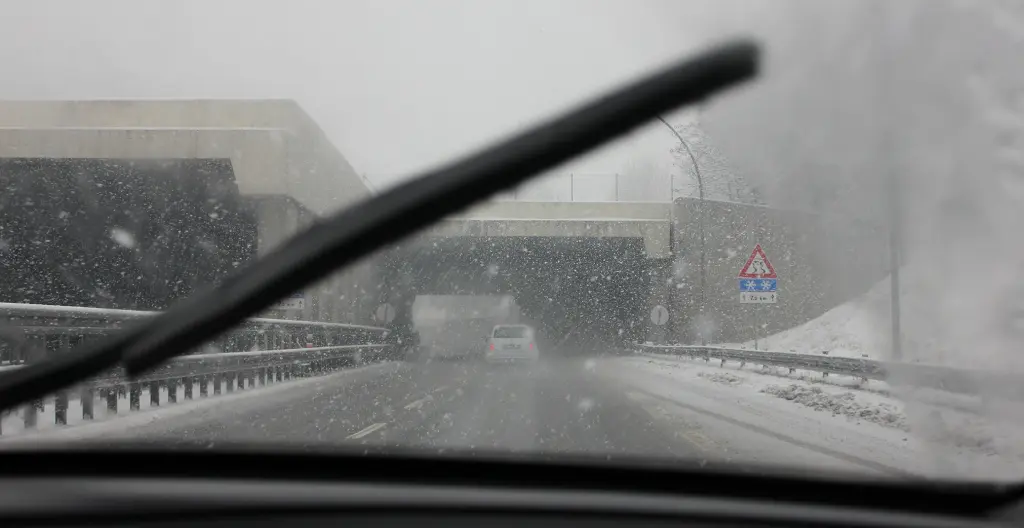
If you’ve ever scheduled a windshield replacement, you might have wondered: does weather affect windshield replacements? The short answer is yes, and understanding this relationship can make a significant difference in the quality and longevity of your auto repair.
For vehicle owners throughout Sussex County, NJ, the weather isn’t just small talk-it’s a critical factor that directly impacts how well your windshield bonds to your vehicle and how long that repair will last.
Importance of Proper Installation
The adhesive materials used to secure your new windshield require particular environmental conditions to cure properly, and when Mother Nature doesn’t cooperate, the installation process becomes more complex.
The importance of understanding weather effects on windshield replacement extends beyond mere curiosity. Your windshield serves as a crucial structural component of your vehicle, contributing to roof support during rollovers and ensuring proper airbag deployment. When weather conditions compromise the installation process, they can affect the structural integrity of your entire vehicle.
Choosing the Right Time for Repair
For those of us in Sussex County and surrounding areas, where temperature fluctuations, and storms are part of daily life, choosing the right time and the right professional for your auto repair becomes even more critical.
Local climate conditions shape how we approach windshield replacement services. The temperature swings between seasons, and even the timing of precipitation all play roles in determining the best practices for installation.
Professional auto repair technicians in our area have learned to work with-and sometimes around-these environmental factors to ensure every replacement meets safety standards and provides lasting protection for you and your passengers.
Understanding the Impact of Weather on Windshield Replacements
Weather conditions play a significant role in determining both the timing and quality of windshield replacement services. The atmospheric environment during installation directly influences how well the adhesive bonds to your vehicle’s frame and how long the entire process takes. We’ve seen firsthand how various weather patterns across the Delmarva Peninsula create unique challenges that require specific expertise and preparation.
Cold Weather Impact on Auto Repair
When temperatures drop, the cold weather impact on auto repair becomes immediately apparent. Low temperatures fundamentally alter how adhesive resin behaves during the curing process. The chemical reactions that allow the adhesive to harden and create a secure bond between the windshield and vehicle frame slow down considerably when the mercury dips. What might typically take a few hours in moderate conditions can extend to several hours or even require overnight curing in freezing temperatures.
The bond strength itself can be compromised if proper precautions aren’t taken during cold weather installations. The adhesive needs to reach specific temperature thresholds to achieve its full structural integrity. When working in cold conditions, we ensure the vehicle is brought into a temperature-controlled environment where the adhesive can cure properly. This controlled setting allows the resin to maintain its optimal viscosity and flow characteristics, ensuring it fills all the necessary gaps and creates a watertight, secure seal.
Cold weather also affects the glass itself. Windshields that have been sitting in freezing temperatures need time to acclimate before installation. Placing cold glass onto warm adhesive, or vice versa, can create stress points that may lead to future cracking or seal failure.
Humidity and Condensation During Windshield Replacement
Humidity and condensation during windshield replacement present their own set of complications. High moisture levels in the air can interfere with the chemical curing process of adhesive resins. The resin requires specific environmental conditions to polymerize correctly, and excessive humidity can slow this process or prevent the adhesive from achieving its maximum bond strength.
Condensation poses an even more immediate threat to installation quality. When moisture forms on the glass surface or the vehicle’s frame where the adhesive will be applied, it creates a barrier between the bonding surfaces. Even a thin film of condensation can prevent the adhesive from making proper contact with the substrate, resulting in weak spots in the seal. These compromised areas become entry points for water leaks and can allow the windshield to shift or separate from the frame over time.
During particularly humid periods, we take extra steps to control the installation environment. Dehumidifiers help maintain optimal moisture levels, while careful surface preparation ensures all bonding areas are completely dry before adhesive application. This attention to detail makes the difference between a windshield that lasts for years and one that develops problems within months.
Rainy Day Challenges for Auto Repair Services
The rainy day challenges for auto repair services extend beyond simple inconvenience. Rain introduces moisture directly into the work area, making it nearly impossible to maintain the dry conditions necessary for proper adhesive application. Even brief exposure to rain during the installation process can contaminate the adhesive, preventing it from curing correctly and compromising the structural integrity of the installation.
Safety concerns multiply during rainy conditions. Technicians working with large pieces of glass in wet conditions face increased risks of slips and drops. The glass itself becomes more difficult to handle when wet, as moisture reduces friction and makes securing a firm grip challenging. Vehicle interiors can also suffer water damage if rain enters through the open windshield cavity during replacement.
We schedule installations carefully when rain is in the forecast, often recommending that customers wait for clearer weather or ensuring
The Role of Adhesive Resin and Curing Process in Various Climates
The adhesive resin serves as the critical bond between your windshield and the vehicle’s frame, creating a structural connection that goes far beyond simply holding the glass in place. This specialized urethane-based adhesive forms part of your vehicle’s safety system, contributing to the overall structural integrity of the cabin. When properly applied and cured, the adhesive resin helps distribute impact forces during a collision, prevents the windshield from popping out during a rollover accident, and supports proper airbag deployment by providing a stable surface for the airbag to push against.
The chemical composition of modern automotive adhesive resins requires specific environmental conditions to achieve optimal bonding strength. These adhesives cure through a moisture-activated chemical reaction, meaning they need the right balance of temperature and humidity to transform from a pliable compound into a rock-solid bond. The molecular chains within the adhesive cross-link during this curing process, creating a permanent connection that can withstand the constant vibrations, temperature fluctuations, and physical stresses your vehicle experiences daily.
Critical Factors in the Curing Process
The curing timeline directly impacts when you can safely drive your vehicle after a windshield replacement. Under ideal conditions-typically between 50°F and 80°F with moderate humidity-most adhesive resins achieve their minimum drive-away strength within one to two hours. This initial cure allows you to drive your vehicle carefully, though the adhesive continues strengthening over the next 24 to 48 hours as it reaches full cure.
- Temperature plays the most significant role in determining cure speed. Cold temperatures below 40°F can extend the initial cure time to four hours or more, while freezing conditions may require special fast-cure adhesives or heated application techniques. The chemical reaction slows dramatically in cold environments, requiring patience and proper planning. On the flip side, temperatures above 90°F can accelerate curing, but excessive heat may cause the adhesive to cure too quickly, potentially creating weak spots in the bond.
- Humidity levels create another variable in the curing equation. While the adhesive needs some moisture to activate the curing process, excessive humidity can introduce too much moisture too quickly, leading to surface curing that traps uncured material underneath. This scenario creates a bond that appears solid on the outside but lacks the internal strength needed for structural integrity. Conversely, extremely dry conditions can slow the cure by limiting the moisture available to trigger the chemical reaction.
Temperature-Controlled Auto Repair Shop Benefits
Working with a facility that maintains climate-controlled conditions eliminates the guesswork from the windshield replacement process. We maintain our workspace within the optimal temperature and humidity range year-round, ensuring every installation receives the same high-quality environment regardless of what’s happening outside. This controlled setting allows us to predict cure times accurately and provide reliable drive-away times to our customers.
The consistency offered by a temperature-controlled environment extends beyond just convenience. When technicians work in stable conditions, they can focus entirely on the precision aspects of the installation-proper glass positioning, even adhesive application, and meticulous surface preparation-without battling environmental challenges. The adhesive behaves predictably, flowing smoothly during application and curing at the expected rate, which allows for better quality control throughout the entire process.
Climate control also protects the adhesive materials themselves. Urethane adhesives have specific storage requirements, and exposure to temperature extremes can degrade their performance characteristics even before application. By storing and applying these materials in controlled conditions, we ensure they maintain their designed properties, including proper viscosity, cure rate, and ultimate bond strength.
Real-World Performance Differences
Post-Replacement Precautions for Windshield Care in Changing Weather
After getting a new windshield installed, the first 24 to 48 hours are crucial. This is when the adhesive resin is still strengthening its bond with your vehicle’s frame. During this time, it’s important to follow specific precautions for windshield care to protect your investment and ensure the seal becomes strong.
Protecting Your Fresh Installation from Temperature Extremes
The relationship between temperature changes and windshield seal strength is significant. When you drive your vehicle right after the replacement, the adhesive is still vulnerable. Exposing the new installation to drastic temperature shifts can cause the resin to expand or contract before it has fully cured, potentially weakening the bond.
We recommend keeping your vehicle covered or parked in a garage during this initial curing period, especially if you’re expecting extreme heat or cold. If you have to park outside, try to find shaded areas during summer months and avoid parking directly in front of heating vents or air conditioning units that blow directly onto the windshield. These concentrated sources of temperature can create uneven heating or cooling patterns that stress the developing seal.
When running your vehicle’s climate control system during this period, be mindful of how you adjust the temperature. Instead of cranking up the heater or air conditioner to maximum settings right away, gradually change the temperature to avoid shocking the glass and adhesive. Start with moderate settings and give the cabin time to warm up or cool down slowly. This gentle approach allows the seal to adjust without experiencing sudden stress.
Managing Moisture Effects on Replaced Windshields
Moisture can also pose a significant threat during the curing phase of replaced windshields. Water exposure has potential negative effects on both chemical bonding processes as well as physical integrity of seals if it seeps between glass frames before adhesives fully set. Rainfall events, car wash visits, heavy dew formation – all these factors introduce unwanted moisture into vulnerable areas around seals which may compromise their effectiveness over time.
For several days following replacement work being done on vehicles’ windshields we advise avoiding automatic car washes altogether due high-pressure water jets used therein forcing water into gaps surrounding fresh seals posing risks similar those posed by hand washing methods where direct spraying occurs at edges where glass meets frame instead focusing other parts vehicle using minimal amounts pressure while cleaning necessary
Humidity levels present another challenge here; elevated moisture content in atmosphere can slow down curing processes affecting how well adhesives develop bonds although outdoor humidity cannot be controlled parking garages covered areas helps minimize exposure such conditions additionally if condensation forms windshields resist temptation use wipers aggressively scrape ice during cold mornings actions place mechanical stresses seals before they reach full strength
Avoiding Physical Stress on New Installations
Newly replaced windshields require protection against physical forces capable disrupting bonding processes involved with installations slamming doors creates pressure waves inside cabins pushing against windshields interiors fully cured installations handle these forces easily however fresh replacements remain susceptible disruptions caused repeated impacts
Close all doors gently first twenty-four hours ask passengers do same if leaving windows slightly cracked equalize pressure acceptable actually reduce stress new seal practice becomes particularly important direct sunlight where temperatures rise rapidly driving rough roads deserves consideration vibrations jarring movements potholes speed bumps unpaved surfaces affect how adhesives set while avoiding all rough patches not possible taking care navigating them minimizes potential damages caused installations
Finding Professional Auto Repair Services in Sussex County, NJ, That Handle Weather Challenges
When you find professional auto repair services in Sussex County, NJ, the difference between an adequate job and exceptional work often comes down to local expertise and proper equipment. The Delmarva Peninsula presents specific climate challenges that not every auto repair shop can handle effectively. We’ve seen countless situations where vehicle owners learned this lesson the hard way-choosing a provider based solely on price, only to discover adhesive failures or compromised installations months later.
The temperature fluctuations and seasonal weather patterns in Sussex County demand specialized knowledge. A shop that excels in a dry climate might struggle with the moisture-heavy air that characterizes our region. We work with adhesive systems daily and understand how even slight variations in humidity levels can extend curing times or affect bond strength. This isn’t theoretical knowledge-it’s practical experience gained from thousands of installations performed in local conditions.
Temperature-Controlled Facilities Matter
Temperature-controlled facilities represent one of the most critical factors when evaluating auto repair providers. While some shops perform replacements in open bays or partially enclosed spaces, this approach leaves the curing process vulnerable to environmental variables. We maintain consistent temperature and humidity levels inside our workspace, which allows the adhesive resin to cure according to manufacturer specifications regardless of what’s happening outside. During winter months when temperatures drop below optimal curing ranges, this controlled environment becomes essential rather than merely convenient.
Technicians Need Training on Weather Effects
The expertise required extends beyond simply having climate control. Technicians need training in recognizing how weather conditions affect different aspects of the installation process:
- Adhesive selection and application techniques that account for current temperature and humidity readings
- Timing adjustments for various weather scenarios to ensure proper cure cycles
- Surface preparation methods that address moisture contamination risks
- Quality control protocols specific to challenging weather conditions
We’ve invested significant time training our team to assess real-time weather impacts and adjust their approach accordingly. When humidity spikes during summer months, we modify our preparation procedures. When cold fronts move through during winter, we allow additional time for materials to reach optimal working temperatures before beginning installations.
Local Knowledge Matters
Local familiarity matters in ways that extend beyond technical knowledge. We understand that Sussex County experiences distinct weather patterns compared to inland areas just miles away. A technician who learned their trade in a different climate might not recognize these nuances until problems emerge.
Wind Considerations for Quality Installations
Wind presents another consideration that separates experienced providers from less-prepared competitors. While wind doesn’t necessarily prevent quality installations, it does require specific handling procedures. We’ve developed protocols for managing airborne debris during replacements, protecting freshly installed windshields from wind pressure, and ensuring that dust or particles don’t compromise the adhesive bond. Shops without enclosed work areas face constant battles with wind-related contamination.
Equipment Quality Matters Too
Equipment quality and maintenance directly influence how well a shop handles weather challenges. We use professional-grade tools designed for varying conditions, including heating systems that warm adhesive cartridges to optimal temperatures and dehumidifiers that control workspace moisture levels. These aren’t luxury items-they’re necessities for consistent results in our climate. When you’re evaluating potential providers, asking about their equipment and facility setup provides valuable insight into their capability to handle weather-related complications.
Warranties Reflect Confidence
The relationship between weather expertise and warranty confidence deserves attention. We stand behind our installations with comprehensive warranties because we know our weather-management protocols work. Shops that lack climate control or specialized training often offer limited warranties or include weather-related exclusions. These warranty differences reveal how confident a provider feels about their ability to deliver quality results regardless of conditions.
Choose Scotty’s Automotive
Weather plays a significant role in windshield replacement outcomes, from the adhesive curing process to the long-term durability of your auto glass. The unique climate conditions here in Sussex County, NJ, with our humid summers, unpredictable spring rains, and occasional winter cold snaps- create specific challenges that require professional expertise and proper facilities to overcome.
We’ve seen firsthand how temperature fluctuations, moisture levels, and seasonal changes can impact the quality of auto glass installations. The difference between a windshield replacement that lasts for years and one that develops problems within months often comes down to how well the installation process accounts for weather variables. Professional shops with climate-controlled environments can maintain optimal conditions for adhesive curing regardless of what’s happening outside, ensuring your windshield bonds properly to your vehicle’s frame.
Understanding the relationship between weather and windshield replacements empowers you to make informed decisions about when and where to have your auto glass serviced. While some weather conditions present more challenges than others, experienced technicians equipped with the right facilities can deliver quality results year-round. The key lies in choosing a provider who understands these environmental factors and has invested in the tools and training necessary to manage them effectively.
Your vehicle’s windshield serves as a critical safety component, contributing to structural integrity and protecting you from the elements. Compromising on installation quality to save time or money can lead to costly problems down the road, from water leaks and wind noise to compromised safety during accidents. When you need professional auto repair, partnering with experts who prioritize proper installation procedures regardless of weather conditions protects your investment and your safety.
Ready to schedule your windshield replacement with professionals who understand how to deliver quality results in any weather? Contact us at Scotty’s Automotive today at (845) 720-3584 for expert auto repair services tailored to the unique climate challenges for this time of year. We’re equipped to handle your windshield replacement needs with the expertise and climate-controlled facilities necessary to ensure lasting results.
FAQs
Does weather affect windshield replacements in Sussex County, NJ?
Yes, weather conditions such as cold temperatures, humidity, rain, heat, and wind can impact the windshield replacement process and the quality of auto repair services in Sussex County, NJ.
How does cold weather impact the windshield replacement process?
Cold weather slows down the adhesive resin curing process during windshield replacement, which can extend repair times and potentially affect the bond strength between the windshield and vehicle frame.
Why is humidity a concern during windshield replacements?
High humidity levels can interfere with the curing of adhesive resin and cause condensation issues during installation, potentially compromising the durability and safety of the repair.
What challenges do rainy days present for auto repair services?
Rain introduces moisture contamination risks and safety concerns during windshield replacements, making it more difficult to ensure a proper seal and secure installation.
How do professional auto repair shops in Sussex County handle weather-related challenges?
Experienced local providers use temperature-controlled facilities and trained technicians to manage issues caused by varying climate conditions like humidity, temperature shifts, and wind, ensuring consistent curing and high-quality repairs.
What post-replacement precautions should vehicle owners take to protect their new windshield?
After replacement, it’s important to avoid rapid temperature changes and moisture exposure to maintain seal integrity. Vehicle owners should monitor for signs of leaks or seal failure to ensure long-lasting durability.
Share:
- Share on Facebook (Opens in new window) Facebook
- Share on X (Opens in new window) X
- Share on LinkedIn (Opens in new window) LinkedIn
- Share on Pinterest (Opens in new window) Pinterest
- Share on Threads (Opens in new window) Threads
- Share on Nextdoor (Opens in new window) Nextdoor
- Share on Reddit (Opens in new window) Reddit
- Share on Bluesky (Opens in new window) Bluesky
- Share on WhatsApp (Opens in new window) WhatsApp
- Share on Telegram (Opens in new window) Telegram
- Email a link to a friend (Opens in new window) Email