
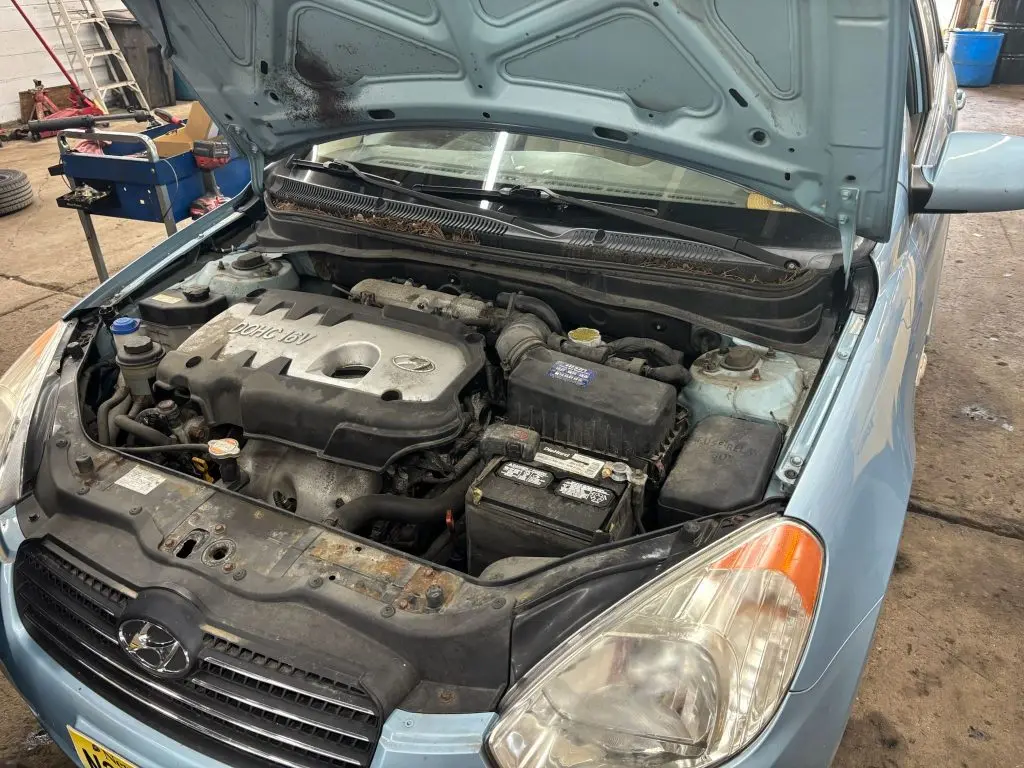
When temperatures drop and frost starts covering windshields every morning, your vehicle faces a number of challenges that many drivers don’t fully understand. The drop in temperature doesn’t just make your morning commute uncomfortable-it actually changes how your engine and its supporting systems work. We’ve seen many vehicles come into our shop during winter months with problems that could have been avoided with proper knowledge and preparation.
Colder weather creates a tough environment for your vehicle’s mechanical and electrical systems. Everything from the chemical reactions in your battery to the thickness of your engine oil changes when exposed to freezing conditions. Your engine, designed to operate within specific temperature ranges, has to work much harder to achieve the same performance levels you experience during warmer months. This puts stress on various parts and can lead to premature wear, unexpected breakdowns, and expensive repairs if not taken care of.
Understanding how winter conditions affect your vehicle isn’t just about avoiding inconvenience, it’s about protecting your investment and ensuring your safety on potentially dangerous roads. When you know what’s happening under the hood during those cold mornings, you can take proactive steps to minimize damage and maintain reliable engine performance throughout the season. We’ve helped thousands of customers get their vehicles ready for winter, and the difference between those who plan ahead and those who don’t is striking.
The relationship between temperature and vehicle performance is more complicated than many people realize. A single cold snap can trigger a chain reaction of issues affecting multiple systems at once. Your battery struggles to provide enough power while your oil refuses to flow smoothly, your tires lose pressure as the air inside contracts, and moisture in your fuel system threatens to freeze solid. Each of these problems makes the others worse, creating situations where your vehicle simply won’t start when you need it most.
This guide explores five critical ways that dropping temperatures impacts your engine and related systems. We’ll explain the science behind each issue, share real-world examples from our experience, and provide practical solutions you can implement right away. Whether you’re facing your first winter with a new vehicle or you’re an experienced driver looking to better understand winter car care, these insights will help you maintain optimal performance when the weather gets rough. From battery concerns to coolant system challenges, we’ll cover everything you need to know to keep your engine running smoothly even in the coldest months of the year.
1. Cold Starts and Battery Issues
When temperatures drop, your vehicle’s battery faces one of its toughest challenges. The science behind this struggle is straightforward yet significant: cold weather dramatically reduces a battery’s ability to generate the electrical current needed to turn over your engine. At 32°F, a typical battery operates at roughly 80% of its normal capacity. Drop that temperature to 0°F, and you’re looking at only 50% capacity remaining.
The root cause lies in the electrochemical reactions happening inside your battery. These reactions produce the electrical energy that powers your starter motor and gets your engine running. When temperatures drop, these chemical processes slow down considerably, much like how honey becomes thick and sluggish when refrigerated. The electrons simply don’t move as freely through the cold battery acid, resulting in reduced power output precisely when your engine needs more energy to start.
Here’s where the problem compounds: while your battery is producing less power in cold weather, your engine actually requires more power to start. Cold engine oil becomes thick and resistant to flow, creating additional friction that the starter motor must overcome. The starter motor itself works harder in the cold, drawing more amperage from an already weakened battery. This double-edged sword explains why so many drivers experience that dreaded slow cranking sound on frigid mornings, or worse, complete silence when turning the key.
Recognizing the Warning Signs
Your vehicle often provides clues before a complete battery failure occurs. A sluggish or labored cranking sound when starting indicates your battery is struggling to deliver adequate power. Dashboard lights that dim noticeably during startup signal insufficient voltage. If you notice your engine takes longer than usual to fire up, even by just a second or two, your battery may be operating at reduced capacity. These symptoms become more pronounced as temperatures continue to drop.
Practical Cold-Weather Battery Solutions
We’ve seen countless cases where simple preventive measures would have saved drivers from being stranded in parking lots on freezing mornings. Block heaters represent one of the most effective tools in your winter arsenal. These devices warm your engine block before starting, reducing the load on your battery and ensuring oil flows more freely. Many of our customers who use block heaters report noticeably easier starts and improved fuel economy during warm-up periods.
Battery blankets
2. Thickening Engine Oil and Lubrication Challenges
When temperatures drop significantly, your engine oil goes through a significant change that can be problematic for the internal parts of your vehicle. Motor oil, which flows smoothly when the engine is at its normal operating temperature, becomes thick and sluggish in freezing conditions. This thickened oil has a hard time moving through the complex system of passages in your engine, leaving important parts unprotected during the critical moments right after you start the engine.
How Cold Weather Affects Engine Oil
The explanation behind this phenomenon is simple yet important. Engine oil is made up of long-chain hydrocarbon molecules that move freely when it’s warm. But as the temperature decreases, these molecules lose energy and start to stick together, creating a substance that’s thick and sticky instead of a smooth liquid. We’ve seen many vehicles come into our shop where owners didn’t realize their regular oil had basically turned into sludge overnight during a cold spell.
The Risks of Cold Starts
The real danger lies in what happens when you start your engine in cold weather. The moving parts of your engine, such as the pistons, crankshaft, camshaft, and valve train components, rely on a constant layer of oil to prevent metal surfaces from rubbing against each other. When cold weather oil can’t reach these parts quickly enough, it leads to increased friction, generating excessive heat and causing premature wear. Just one cold start with insufficient lubrication can result in more damage to the engine than hundreds of miles of normal driving under ideal conditions.
The Struggle of the Oil Pump
The oil pump also faces its own challenges in these conditions. It’s designed to efficiently move fluid, but it has to work much harder to push thickened oil through narrow passages and filters. This extra effort can shorten the lifespan of the pump and, in extreme cases, lead to complete failure. We’ve identified several oil pressure problems that were caused by owners using the wrong viscosity oil for winter conditions.
The Advantages of Synthetic Oil
Synthetic oil provides an effective solution to these problems caused by cold weather. Unlike traditional petroleum-based oils, synthetic oils are specially designed at the molecular level to maintain consistent thickness over a wider range of temperatures. These advanced lubricants have uniform molecules that resist clumping and thickening, which are common issues with conventional oils in freezing temperatures. As a result, you’ll get better engine lubrication right from the moment you start your car, even on the coldest mornings.
Winter-grade synthetic oils usually have viscosity ratings like 0W-20 or “
3. Tire Pressure Changes and Safety Risks
When temperatures drop, your tires go through a process that many drivers don’t notice until the warning light on their dashboard comes on. The air inside your tires contracts as the temperature falls, causing a noticeable decrease in pressure. For every 10°F decrease in temperature, tire pressure drops by about 1-2 PSI. So, if you inflated your tires correctly on a nice 70°F autumn day, and then the temperature suddenly drops to 30°F, each tire could lose 4-8 PSI without any puncture or leak happening.
This loss of pressure isn’t just a technical detail—it directly affects how your vehicle handles the road. We’ve seen many vehicles come into our shop with underinflated tires that their owners thought were fine simply because they looked normal from the outside. The truth is that tires can lose significant pressure while still appearing properly inflated to the naked eye.
The Hidden Dangers of Underinflated Tires
Underinflated tires create a series of problems that go beyond the inconvenience of stopping at a gas station air pump. When your tires aren’t properly inflated, the contact patch, the part of the tire touching the road, gets larger and changes shape. This altered contact pattern means the tire’s outer edges bear more weight than the center, creating uneven wear patterns that shorten tire lifespan and compromise grip.
The handling characteristics of your vehicle change dramatically insufficient tire pressure. Steering response becomes sluggish and less precise, which is especially dangerous when driving on slick winter roads. The extra flexing of underinflated tire sidewalls generates excess heat, ironically making your tires more vulnerable to damage even in cold weather. During emergency maneuvers, like swerving to avoid black ice or a sudden obstacle, properly inflated tires can be the key to maintaining control instead of losing it completely.
Braking distances increase significantly when tire pressure drops below recommended levels. The higher rolling resistance and reduced traction means your vehicle needs more distance to come to a complete stop, which is a critical safety concern when roads are already compromised by snow, ice, or slush. We’ve worked with customers who experienced close calls that could have been avoided with properly maintained
4. Frozen Fuel Lines and Fuel System Protection Measures
When temperatures drop to extremely low levels, your vehicle’s fuel system faces a serious threat that many drivers don’t anticipate until it’s too late. Frozen fuel lines are one of the most frustrating problems in cold weather because they can leave you completely stranded, unable to start your engine even when everything else seems fine.
Understanding the Problem
The science behind this issue is simple but problematic. Water vapor naturally exists in your fuel tank, and when temperatures drop significantly, this moisture can condense and accumulate at the bottom of the tank or within the fuel lines themselves. As the temperature continues to decrease, this water turns into ice crystals that gradually build up inside the narrow passages of your fuel system. These ice formations act like tiny dams, creating blockages that prevent gasoline or diesel from reaching your engine. Even a small amount of ice can completely obstruct fuel flow, leaving your engine starved for the fuel it needs to operate.
The Risks Involved
The risks go beyond just inconvenience. When your engine tries to start but doesn’t get enough fuel due to frozen lines, it can cause the fuel pump to work harder than normal, potentially leading to premature wear or complete pump failure. The starter motor also experiences extra strain as it cranks repeatedly without the engine starting up. We’ve seen cases where drivers have damaged their ignition systems by continuously trying to start their vehicles without realizing frozen fuel lines were the problem. If fuel delivery becomes inconsistent, it can lead to rough idling, misfires, and potential damage to spark plugs and fuel injectors.
Diesel Engines and Additional Challenges
Diesel engines face an extra challenge because diesel fuel contains paraffin wax that naturally gels at cold temperatures, creating a sludge-like consistency that clogs fuel filters and lines even without water present. This gelling can happen at temperatures as high as 10-15°F, making diesel vehicles particularly vulnerable during winter months.
Protecting Your Fuel System
Protecting your fuel system requires taking proactive measures. The single most effective preventive measure is keeping at least a half-tank of fuel throughout winter. A fuller tank leaves less space for air, which means less chance for water vapor to enter and condense inside your tank. We always recommend that our customers never let their fuel level drop below the halfway mark once cold weather arrives.
5. Coolant System Challenges and Prevention Strategies to Consider
Your engine’s coolant system serves a dual purpose that many drivers don’t fully appreciate until something goes wrong. While most people understand that coolant prevents overheating during summer drives, fewer realize it’s equally critical for protecting your engine when temperatures plummet well below freezing. The coolant circulating through your engine block, radiator, and water pump must remain liquid even when the thermometer reads -30°F or lower, which is where the right antifreeze mixture becomes absolutely essential.
The Consequences of Coolant Freezing
When coolant freezing occurs, the consequences can be devastating and expensive. Unlike water, which expands when it freezes, a properly mixed coolant solution maintains its liquid state in extreme cold. However, if your coolant mixture is incorrect, perhaps too diluted with water or simply old and degraded, it can turn into a slushy consistency or freeze solid. We’ve seen engines where frozen coolant cracked the engine block itself, creating irreparable damage that requires a complete engine replacement. The radiator, being made of thinner metal and containing numerous small passages, is particularly vulnerable to this expansion force.
Challenges for the Water Pump
The water pump faces its own set of challenges when coolant freezes. This component relies on smooth liquid flow to circulate coolant throughout the engine. When ice crystals form or the coolant becomes too viscous, the pump must work significantly harder, potentially damaging the impeller blades or burning out the pump motor entirely. A failed water pump in freezing conditions creates a cascading problem: without circulation, whatever liquid coolant remains can’t absorb heat from the engine, leading to localized freezing and potential overheating once you start driving.
Protecting Your Radiator
Radiator protection starts with understanding the proper coolant-to-water ratio for your climate. The standard 50/50 mix of antifreeze and water provides protection down to approximately -34°F, which works for most regions. However, if you live in areas where temperatures regularly drop below this threshold, you might need a slightly higher concentration of antifreeze, though never exceed a 70/30 ratio, as pure antifreeze actually has a higher freezing point than the proper mixture and doesn’t transfer heat as effectively.
Testing your coolant’s freeze point should be part of your pre-winter maintenance routine
Choose Scotty’s Automotive
Winter doesn’t have to mean constant worry about whether your vehicle will start or perform reliably. The five challenges we’ve explored, battery struggles during cold starts, thickening oil that resists flowing through your engine, tire pressure drops that compromise safety, frozen fuel lines that block critical systems, and coolant that can turn to ice, all share one common thread: they’re preventable with the right approach to winter vehicle maintenance.
We’ve seen firsthand how a little preparation goes a long way when temperatures plummet. The difference between a vehicle that fires up on the coldest morning and one that leaves you stranded often comes down to simple preventive measures taken weeks earlier. Switching to winter-grade synthetic oil, checking your battery’s charge capacity, maintaining proper tire pressure, keeping your fuel tank above half full, and ensuring your coolant mixture is winter-ready aren’t just suggestions, they’re essentially engine care tips that protect your investment and your safety.
Think of winter maintenance as an insurance policy for your daily commute. Every time you check your tire pressure or test your battery, you’re reducing the likelihood of being stuck in a parking lot on a frigid morning or dealing with expensive repairs that could have been avoided. The small amount of time and money invested in preventive care pays dividends in reliability, performance, and peace of mind throughout the coldest months.
Your engine works harder in winter than any other season. Cold air is denser, requiring more fuel for combustion. Thicker fluids create additional resistance. Every component faces stress that simply doesn’t exist during warmer weather. By addressing these five key areas before winter arrives in full force, you’re giving your vehicle the support it needs to handle these challenges without breaking down.
Don’t wait until you’re dealing with a no-start situation or reduced performance to take action. The best time to prepare your vehicle for winter was last month-the second-best time is right now. Whether you’re comfortable handling some of these tasks yourself or prefer professional assistance, taking action today means fewer headaches tomorrow.
Ready to ensure your vehicle is prepared for whatever winter throws your way? Our team specializes in comprehensive winter vehicle maintenance that addresses all five of these critical areas. From battery testing and oil changes to coolant system checks and tire pressure monitoring, we’ll make sure your engine is ready to perform reliably all season long. Call us at Scotty’s Automotive in Sussex County, NJ, today at (845) 720-3584!
FAQs
How does colder weather impact vehicle engine performance?
Colder weather affects vehicle engines by reducing battery power, thickening engine oil, causing tire pressure fluctuations, freezing fuel lines, and challenging the coolant system. These factors can lead to starting difficulties, increased engine wear, decreased fuel efficiency, and potential engine damage if not properly addressed.
Why do cold starts become difficult during winter months?
Cold starts are difficult because low temperatures reduce battery power output due to slower chemical reactions inside the battery. This results in weaker engine cranking and starting issues. Using block heaters, battery blankets, insulation, and scheduling professional battery checks before winter can help mitigate these problems.
What role does engine oil play in cold weather, and how can I protect my engine?
In cold temperatures, engine oil thickens and flows more slowly, increasing friction and wear on engine components. Using winter-grade synthetic oils formulated for low temperatures ensures better lubrication and protects the engine during cold starts and operation.
How does cold weather affect tire pressure and vehicle safety?
Temperature drops cause tire pressure to drop approximately 1-2 PSI for every 10°F decrease. Underinflated tires can impair handling, reduce fuel efficiency, and compromise safety. Regularly checking tire pressure and using appropriate winter tires helps maintain optimal performance in cold conditions.
What causes frozen fuel lines in winter, and how can I prevent this issue?
Extreme cold leads to ice formation in fuel lines which blocks fuel flow, causing starting problems or potential engine damage. Using fuel additives designed to prevent ice buildup and keeping the fuel tank adequately filled can help protect the fuel system during freezing temperatures.
Why is maintaining the coolant system important in cold weather?
The coolant system prevents overheating and freezing of the engine. In extreme cold (as low as -30°F), improper antifreeze mixture or inadequate radiator protection can cause coolant freezing, leading to damage of the radiator and water pump. Ensuring correct antifreeze levels and mixture is vital for winter vehicle maintenance.
Share:
- Share on Facebook (Opens in new window) Facebook
- Share on X (Opens in new window) X
- Share on LinkedIn (Opens in new window) LinkedIn
- Share on Pinterest (Opens in new window) Pinterest
- Share on Threads (Opens in new window) Threads
- Share on Nextdoor (Opens in new window) Nextdoor
- Share on Reddit (Opens in new window) Reddit
- Share on Bluesky (Opens in new window) Bluesky
- Share on WhatsApp (Opens in new window) WhatsApp
- Share on Telegram (Opens in new window) Telegram
- Email a link to a friend (Opens in new window) Email