Congratulations on your decision to buy a car! It’s an exciting time, but it’s important to remember that a vehicle is a significant investment. With that in mind, it’s crucial to ensure you’re getting a reliable vehicle worth your money. That’s where a pre-purchase inspection comes in. We’ll discuss why a pre-purchase inspection is essential and what to expect during the inspection process.
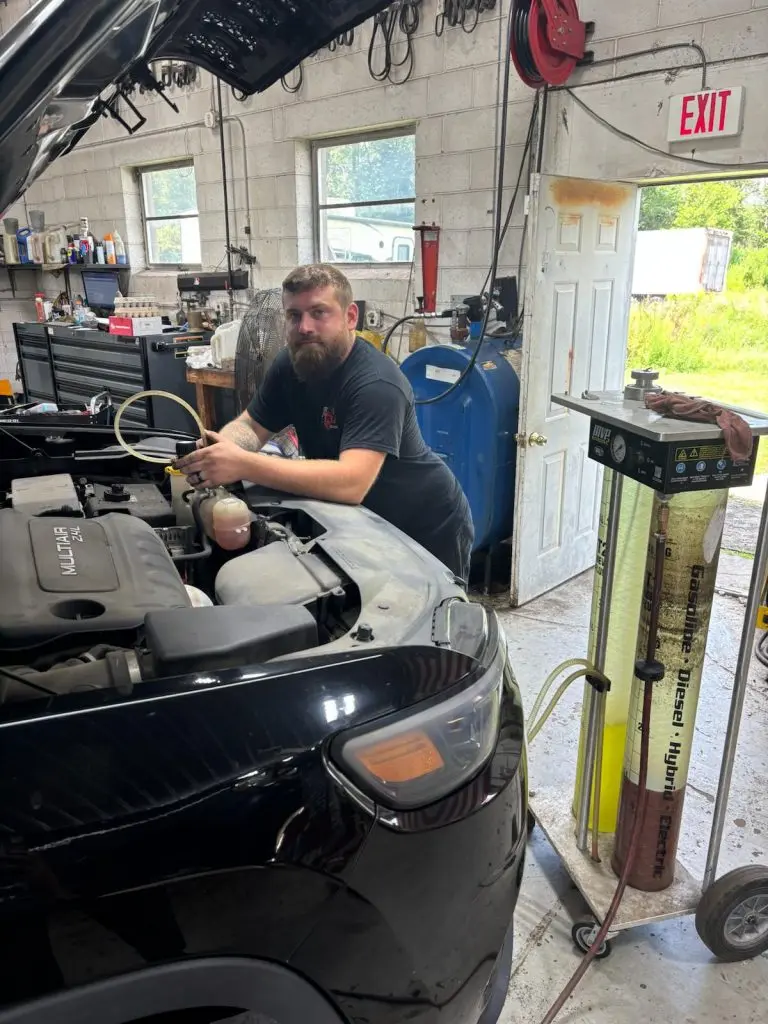
A pre-purchase inspection is a comprehensive check of the vehicle’s condition performed by a professional auto mechanic. It involves thoroughly inspecting the engine, transmission, brakes, suspension, and all the other components contributing to the car’s performance. This inspection is designed to identify any existing or potential issues that could affect the vehicle’s reliability and safety.
One of the key benefits of a pre-purchase inspection is that it can save you money in the long run. By identifying any issues before you purchase, you can negotiate a lower price with the seller or even decide not to buy the car if the problems are too severe. Moreover, a pre-purchase inspection can give you peace of mind and confidence in buying the car.
During the inspection process, the auto mechanic will take the car for a test drive to assess its performance on the road. They’ll also check the car’s history to see if it’s been in any accidents or suffered any damage that could affect its performance. In addition, they’ll inspect the car’s body and interior, looking for signs of wear and tear. They’ll provide a detailed report on the car’s condition if they find any issues.
It’s important to note that a pre-purchase inspection does not guarantee that the car won’t have any issues in the future. However, it can give you a good idea of the car’s overall condition and help you decide whether or not to buy it. And if you choose to buy the vehicle, you’ll better understand what repairs or maintenance may be needed.
A pre-purchase inspection is an essential step in buying a car. It can save you money, provide peace of mind, and give you confidence in purchasing the vehicle. So, if you’re in the market for a new car, schedule a pre-purchase inspection by a trusted auto mechanic. It’s a small investment that can pay off big dividends in the long run.
FAQs
1. What is a pre-purchase inspection?
A pre-purchase inspection (PPI) is a thorough assessment of a vehicle’s mechanical, safety, and cosmetic condition by a qualified auto mechanic before buying the car.
2. Why is a pre-purchase inspection important?
It helps uncover hidden issues like past accidents, engine problems, or safety concerns. This can save you money, provide peace of mind, and give you negotiating leverage.
3. What does a pre-purchase inspection include?
A PPI usually includes checks on the engine, transmission, brakes, suspension, tires, lights, battery, fluids, frame damage, interior condition, and a test drive.
4. Can I skip a pre-purchase inspection if the car looks fine?
No. Even if a car looks clean and drives well, hidden mechanical or structural problems may exist. A mechanic’s inspection can reveal issues not visible to the buyer.
5. How long does a pre-purchase inspection take?
Most inspections take 1 to 2 hours, depending on the vehicle type and thoroughness of the inspection.
6. How much does a pre-purchase inspection cost?
Prices typically range from $100 to $250, but cost varies based on location, vehicle type, and inspection depth.
7. Who pays for the pre-purchase inspection, the buyer or seller?
Usually, the buyer pays, but some sellers may agree to split the cost or reduce the asking price if issues are found.
8. Can I use the inspection results to negotiate price?
Yes. If the inspection uncovers problems, you can ask for repairs, request a lower price, or walk away from the deal.
9. Should I get a PPI from a shop or mobile mechanic?
Both are viable. Mobile mechanics offer convenience by inspecting the car at the seller’s location, while a shop may have better tools and a lift for full undercarriage checks.
10. Will a pre-purchase inspection check for previous accident damage?
Yes. A mechanic will look for signs of structural damage, poor repairs, frame misalignment, or paint inconsistencies.
11. Can a pre-purchase inspection predict future issues?
While it won’t guarantee the car will never have problems, it helps you understand the vehicle’s current condition and upcoming maintenance needs.
12. Should I get a PPI for a certified pre-owned (CPO) car?
CPO cars are already inspected by dealers, but for added confidence, an independent inspection may still be worth considering, especially if buying from a third party.
13. Do dealerships allow independent pre-purchase inspections?
Most reputable dealerships do. If they refuse, it could be a red flag.
14. Can I get a pre-purchase inspection for an electric or hybrid car?
Yes, but make sure the mechanic is trained in EV systems to properly inspect the battery, charging system, and electric drivetrain.
15. Is a Carfax report enough instead of an inspection?
No. Carfax shows the vehicle’s history but won’t tell you its current mechanical condition. A PPI complements the Carfax report.
16. Can I get a pre-purchase inspection for a car I’m buying out of state?
Yes. Many mobile mechanic services offer remote inspections with photo and video reports, even across state lines.
Share:
- Share on Facebook (Opens in new window) Facebook
- Share on X (Opens in new window) X
- Share on LinkedIn (Opens in new window) LinkedIn
- Share on Pinterest (Opens in new window) Pinterest
- Share on Threads (Opens in new window) Threads
- Share on Nextdoor (Opens in new window) Nextdoor
- Share on Reddit (Opens in new window) Reddit
- Share on Bluesky (Opens in new window) Bluesky
- Share on WhatsApp (Opens in new window) WhatsApp
- Share on Telegram (Opens in new window) Telegram
- Email a link to a friend (Opens in new window) Email