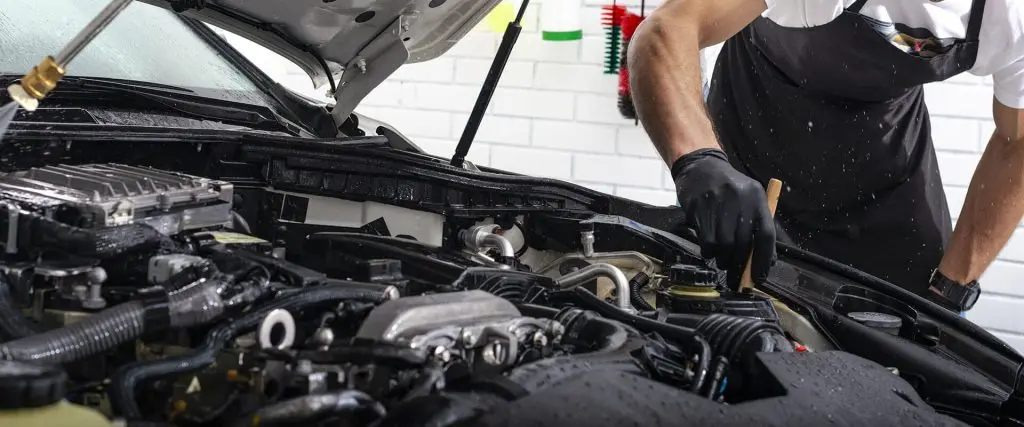
An engine that starts sputtering can make it seem like the car is suddenly struggling to do something it normally does without effort. Maybe it hesitates when you press the gas, bucks a little on the highway, stumbles at idle, or feels like it is misfiring under a load. Sometimes it comes with a flashing check engine light, and sometimes it doesn’t. Either way, sputtering is a symptom. Either the air, fuel, spark, or sensor side of the engine is not behaving in the way it should.
At Scotty’s Automotive, we see sputtering issues all year long in Sussex County. The tricky part is that the symptom can often sound the same, but the cause can be completely different depending on the vehicle, mileage, and maintenance history. The good news, is most sputtering problems are very fixable once we narrow down what is actually happening!
Below are six common causes of a sputtering engine, what they usually feel like, and how we typically approach diagnosis and repair to get your car back up and running smoothly.
What “Sputtering” Really Means
Simply put, “sputtering” is usually combustion that is not steady. In a healthy engine, the air and fuel mix correctly, a spark arrives at the right time, and the cylinders fire in a smooth rhythm. When something interrupts that rhythm, we feel it as hesitation, shaking, surging, or a brief loss of power.
On occasion, it is a single-cylinder misfire that comes and goes. Other times, it is fuel delivery cutting out under a higher demand. In modern vehicles that operate more dependently on software, a small sensor issue can throw off the calculation just enough to make the engine stumble.
These symptoms might also be indicative of some of the most common engine problems which we can help diagnose and repair effectively, just give us a call at (845) 720-3584 today for pro assistance!
1. Worn Or Failing Spark Plugs And Ignition Components
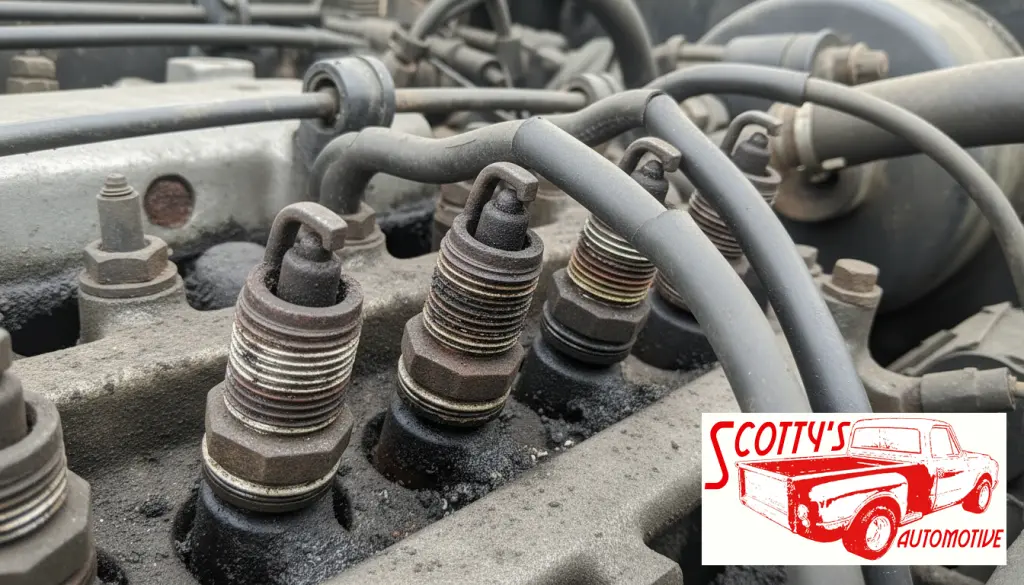
One of the problems we see the most are basic ignition wear. Spark plugs do not last forever, and ignition coils, wires, and boots can degrade with heat and time. When spark is weak or inconsistent, the air-fuel mixture does not ignite properly in one or more cylinders. That incomplete burn shows up as sputtering, especially under acceleration or climbing hills when the engine needs a stronger spark.
We also see vehicles come in where the car owner had their spark plugs replaced, but the wrong plug type was installed, gaps were off, or coils were already borderline and the new plugs simply made the weak coil more obvious. When ignition is the issue, the check engine light may store misfire codes, but it is not guaranteed.
What We Look For In The Shop
We typically confirm misfires with a scan tool and live data, then narrow it down with cylinder-specific testing. If we suspect coils, we may check for consistent spark energy and look for cracking, corrosion, or carbon tracking. If the plugs are overdue, simply replacing them with the correct spec parts can make a dramatic difference right away.
2. Fuel Delivery Problems (Pump, Filter, Or Pressure Issues)
Engines sputter when they are not getting the fuel they need, and fuel delivery issues often show up under load. We will hear customers say the car feels fine cruising gently, but sputters when merging, accelerating, or going uphill. That is a classic sign that fuel volume or pressure is dropping when demand increases.
Depending on the vehicle, the cause might be a weak fuel pump, a restricted fuel filter (or filter sock), a failing fuel pressure regulator, or even an electrical problem feeding the pump. On some models, a dirty fuel tank or contamination can also cause intermittent problems.
Fuel issues can also mimic ignition problems because a lean condition can cause misfires. That is why guessing and replacing random parts gets expensive fast.
However, these common issues can sometimes lead to more severe problems like engine vibrations which could indicate underlying issues that need immediate attention. Additionally, if you own a diesel vehicle, it’s essential to be aware of common problems associated with diesel engines, as these can also result in similar symptoms and should be addressed promptly to avoid further complications.
A Common Real World Pattern
A lot of vehicles will idle “okay” in the driveway, then sputter or surge when the speed picks up on the road. If fuel pressure is borderline, idle might not expose it., where acceleration will. This is why we like to look at fuel trim data and verify fuel pressure under the conditions that will actually cause the symptom.
3. Clogged Or Dirty Fuel Injectors
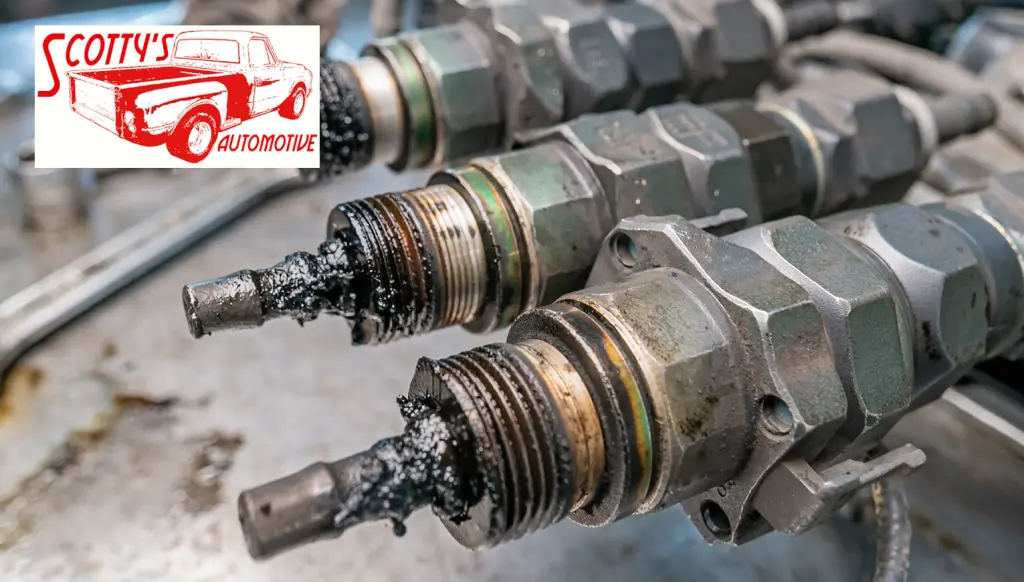
Even when fuel pressure is fine, injectors can still cause sputtering if they are restricted, sticking, or not flowing evenly. Injectors are basically precision valves. Over time, deposits can affect spray pattern and flow, especially if maintenance has been inconsistent or the vehicle sits often.
Injector issues can show up as:
- A rough idle that comes and goes
- Hesitation on tip-in (right when we press the gas)
- A single-cylinder misfire that keeps returning
In some cases, we will find that one injector is not contributing the same performance as the others, which leaves the engine feeling unbalanced.
How We Confirm It
We look at misfire counters, fuel trims, and sometimes run balance testing depending on the vehicle. If deposits are suspected, proper cleaning and the right next steps depend on how severe it is. Some situations respond well to professional cleaning, while others call for repair or replacement.
4. Air Intake And Vacuum Leaks
Engines need the right amount of air, but they also need to measure that air correctly. Vacuum leaks let unmetered air into the engine, which can create a lean condition and cause sputtering, surging, or rough idle. These leaks can come from cracked hoses, torn intake boots, leaking intake manifold gaskets, or PCV system issues.
A big clue is when the sputtering is worse at idle or low speed, then improves when driving. That happens because small vacuum leaks have more impact at idle when airflow is low. Once the throttle opens and airflow increases, the leak becomes a smaller percentage of the total air entering the engine.
What It Can Feel Like
Some vehicles will rev oddly, idle too high, or “hunt” up and down. Others just feel shaky and inconsistent. We also see cases where a vacuum leak triggers a check engine light for lean codes or random misfires, but again, not always.
5. Bad Or Dirty Sensors (MAF, MAP, O2, And Throttle Related)
Modern engines rely on sensors to decide how much fuel to deliver and when to adjust. If the sensor data is wrong, the engine can sputter even though the mechanical parts are fine. A few common ones we see connected to sputtering:
Mass Air Flow (MAF) Sensor: If it is dirty or failing, it can misread airflow. That leads to the wrong fueling, especially during acceleration.
Manifold Absolute Pressure (MAP) Sensor: Similar story, different measurement method. Bad readings can cause hesitation and poor drivability.
Oxygen Sensors (O2) and Air-Fuel Sensors: These help fine tune fueling. If they are slow or biased, the engine can run too lean or too rich at the wrong times.
Throttle Body And Throttle Position Related Issues: Carbon buildup or electronic throttle problems can cause unstable airflow and hesitation, especially off idle.
We are careful here because “sensor code” does not always mean “sensor bad.” Sometimes a vacuum leak, exhaust leak, or fuel issue causes a sensor to report something that is true, and the code points us to a symptom, not the cause.
Our Approach
We prefer confirming sensor performance with live data and comparing it to what the engine should be doing in that moment. Cleaning a throttle body or addressing airflow problems can sometimes solve the issue without chasing parts that are not actually failing.
6. Exhaust Restriction (Like A Partially Clogged Catalytic Converter)
Exhaust has to flow, hands down. If the exhaust system is restricted, the engine can feel like it is suffocating. A partially clogged catalytic converter is a common culprit, and the symptoms can include sputtering, poor acceleration, and a general “no power” feeling, especially at higher RPM.
Sometimes the vehicle will do okay around town, then feel like it hits a wall on the highway. Other times it will surge and struggle as backpressure builds. We also see heat related patterns where it gets worse after driving for a while.
Why This Gets Missed
It can look like fuel or ignition because the engine feels weak and unstable. The difference is that restriction often comes with a noticeable loss of top-end power and may not feel like a simple misfire. Testing matters here. We can check for backpressure issues and other clues before recommending major exhaust work.
Quick Signs We Should Not Ignore
We are all busy, and it is tempting to wait if the sputtering is “not that bad yet.” The problem is that some causes can create expensive damage when ignored. A flashing check engine light, for example, often means active misfires that can harm the catalytic converter.
Here are a few signs that should move to the top of the list:
- Sputtering that gets worse under acceleration or towing
- A flashing check engine light or strong fuel smell
- Shaking at idle that comes and goes
- Noticeable drop in fuel economy paired with hesitation
However, these aren’t the only issues to be aware of. For instance, if your vehicle is experiencing cooling system malfunctions, it’s crucial to address them promptly. Similarly, if you’re noticing signs your automobile needs new struts and shocks, these should also be prioritized to avoid further complications.
How We Diagnose A Sputtering Engine At Scotty’s Automotive
We do not like guessing. Sputtering can be fuel, spark, air, sensors, or exhaust, and several of those can overlap. Our process usually starts with verifying the concern on a road test when possible, checking for stored codes, and looking at live engine data. From there we narrow it down with targeted testing, because replacing parts “to see if it helps” is rarely the best plan.
And if the vehicle needs routine maintenance along the way, we handle that too! Whether you need a simple oil change or a major transmission repair, we treat it like our own car, and keep the explanation straightforward so everyone knows what is going on and what it will take to fix it.
Ready To Get Rid Of The Sputtering?
If an engine is sputtering, it is asking for attention. The fastest way back to a smooth, reliable drive is a proper diagnosis and a clear repair plan, not a pile of random parts. Call us at Scotty’s Automotive in Sussex County, NJ, today at (845) 720-3584, and we will help get the vehicle running right again!
This post was originally published on 01/01/2022 and updated on 2/12/2026 for accuracy and a larger scope of information.
FAQs
Why is my engine sputtering while driving?
Engine sputtering is often caused by issues such as a clogged catalytic converter, a lean fuel mixture, faulty spark plugs, or failing sensors. It’s a sign your engine isn’t running efficiently.
Can a clogged catalytic converter cause sputtering?
Yes. A clogged catalytic converter can prevent exhaust gases from exiting properly, causing them to back up into the engine and lead to sputtering and reduced performance.
How does a clogged fuel system affect engine performance?
Clogs in the fuel filter, lines, or injectors can restrict fuel flow, causing a lean fuel mixture. This results in engine sputtering and potential misfires.
What does the engine control unit (ECU) have to do with sputtering?
The ECU regulates the air-fuel ratio and spark timing. A malfunctioning ECU can cause an imbalance in the mixture or mistimed spark plugs, leading to sputtering.
Can bad sensors cause my engine to sputter?
Absolutely. A faulty mass airflow (MAF) or oxygen (O2) sensor can send incorrect data to the ECU, causing improper air-fuel mixture and engine sputtering.
Do spark plugs cause engine sputtering?
Yes. Worn spark plugs or faulty wires can lead to incomplete combustion, causing your engine to sputter or misfire.
How often should I replace spark plugs to prevent sputtering?
Most modern spark plugs last up to 100,000 miles. However, older vehicles may require replacements more frequently to avoid sputtering and performance issues.
Will using premium gas stop engine sputtering?
No. Premium fuel won’t fix mechanical or electronic issues that cause sputtering. A diagnostic check is recommended instead.
Is it safe to drive a car that’s sputtering?
It’s not recommended. Engine sputtering can indicate serious issues that may lead to engine damage if left unresolved. Schedule a repair as soon as possible.
Can dirty fuel injectors make my engine sputter?
Yes. Dirty or clogged fuel injectors can reduce fuel delivery, leading to a lean mixture and engine sputtering.
How can I tell if my MAF or O2 sensor is failing?
Common signs include rough idling, poor fuel economy, engine sputtering, or the check engine light turning on. A diagnostic scan will confirm the issue.
What’s the cost to fix a sputtering engine?
Costs vary depending on the root cause. Minor repairs like spark plug replacement are inexpensive, while sensor or catalytic converter replacement can be more costly.
What’s the difference between sputtering and misfiring?
Misfiring is a specific cause of sputtering, usually due to ignition or fuel delivery issues. Sputtering can also stem from airflow or exhaust system problems.
Can bad gas cause my car to sputter?
Yes, but it’s less common. Contaminated or poor-quality fuel can disrupt combustion, although mechanical or sensor issues are usually the main culprits.
Do I need a diagnostic test for engine sputtering?
Yes. A diagnostic scan helps identify the exact cause of the sputtering and prevents unnecessary repairs.